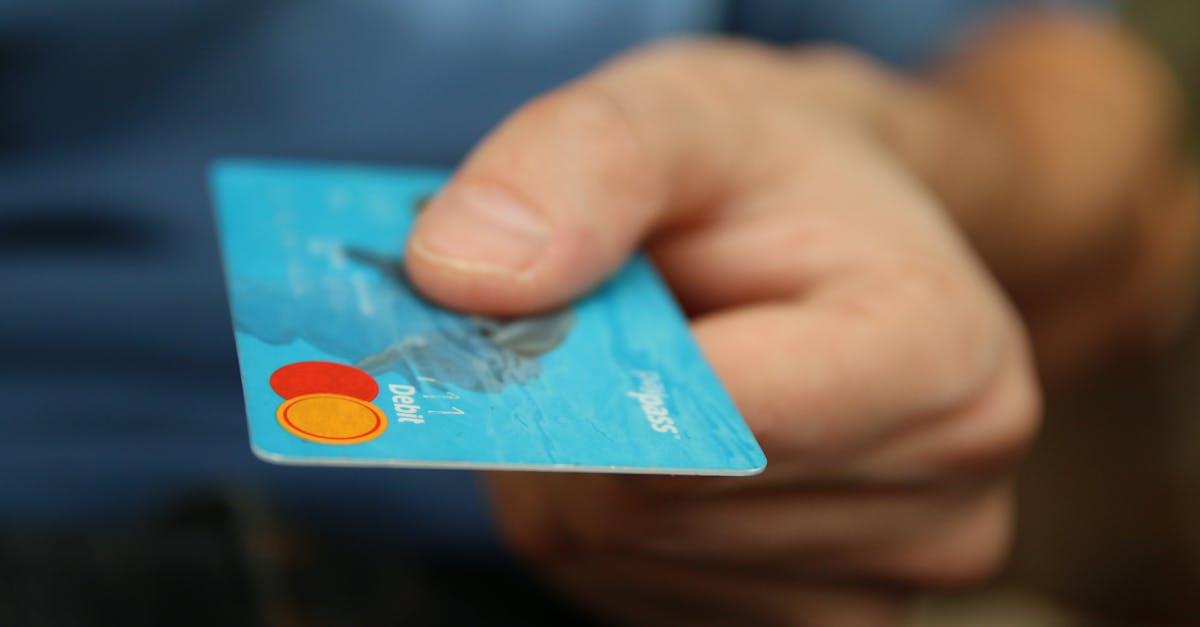
Why you should almost always pay in the local currency, how foreign transaction fees and ATM charges add up, and the simple card setup that keeps travel spending cheap.
You hand your card to a waiter in Barcelona. The card terminal asks a question: “Pay in EUR or USD?” Choosing dollars feels safer — you know exactly what you are paying. But that choice is usually the most expensive one on the screen.
Small, avoidable fees are one of the biggest hidden costs of international travel. This guide explains the main ones and how to avoid them.
Key Takeaways
- Always choose to pay in the local currency; dynamic currency conversion lets the merchant’s bank set the exchange rate, usually with a markup.
- Foreign transaction fees on cards are often around 3% of every purchase; many travel-focused cards charge none.
- ATM withdrawals can carry three separate costs: your bank’s fee, the ATM operator’s fee and a poor conversion if you accept it.
- Carry at least two cards on different networks and keep them in separate places.
What dynamic currency conversion is
Dynamic currency conversion (DCC) is the option to pay in your home currency instead of the local one. It appears on card terminals, ATMs and hotel bills.
When you choose your home currency, the conversion is done by the merchant’s payment provider, not your bank. The rate offered typically includes a markup that can be several percent above the wholesale rate. Some of that markup may even be shared with the merchant.
When you choose the local currency, the conversion is handled by your card network and bank, usually at a rate close to the wholesale rate, plus any foreign transaction fee your card charges.
DCC is legal, but it is rarely in your interest. Always choose the local currency.
Foreign transaction fees
Many credit and debit cards charge a foreign transaction fee on purchases made in another currency or processed abroad. The fee is commonly around 3% of the transaction.
On a $4,000 trip, that is around $120 in fees. Cards marketed for travel often waive foreign transaction fees entirely. If you travel internationally even once a year, a no-fee card is usually worth having.
Check your card’s terms for “foreign transaction fee” before you travel.
ATM charges
Withdrawing cash abroad can involve several fees:
- Your bank’s fee for using an out-of-network ATM, often a flat amount per withdrawal.
- Your bank’s foreign transaction fee on the amount withdrawn.
- The ATM operator’s fee, displayed on screen in some countries.
- A DCC offer at the ATM, asking whether you want to be charged in your home currency.
To reduce these:
- Use bank-owned ATMs where possible, rather than standalone machines in tourist areas, which often have higher fees and DCC offers.
- Decline the conversion at the ATM.
- Withdraw larger amounts less often if your bank charges a flat fee per withdrawal.
- Use a debit card with no foreign fees, or one that reimburses ATM fees.
Should you carry cash at all?
Card acceptance has grown dramatically, and many destinations are close to cashless. Still, cash is useful for:
- Small vendors and markets
- Tips in some countries
- Rural areas and some transport
- Backup if your card is blocked
A modest amount of local cash withdrawn from a bank ATM on arrival is usually cheaper than exchanging money at home or at airport kiosks.
A simple card setup
For most travelers, this combination works well:
- A credit card with no foreign transaction fees for most purchases
- A debit card with low or no foreign ATM fees for cash
- A backup card on a different network (for example Visa and Mastercard), stored separately
Before you go:
- Tell your bank about your travel if it requires notifications.
- Check your PIN for both cards. Some machines and unattended kiosks require one.
- Save the international phone numbers for reporting lost or stolen cards.
Hotels and car rentals
Hotels and rental companies often place a pre-authorisation hold on your card for incidentals or deposits. This temporarily reduces your available credit. Use a credit card with enough room on it, and check that holds are released after checkout.
If a hotel bill is presented in your home currency, ask for it in local currency instead. You are entitled to choose.
Frequently Asked Questions
Is it cheaper to exchange money before I leave? Usually not. Exchange rates at home and at airport kiosks are often poor. Withdrawing from a bank ATM abroad, while declining DCC, is typically cheaper.
What if the merchant chooses DCC for me? You should be asked. If you are charged in your home currency without being given a choice, ask for the transaction to be redone in local currency or dispute it with your card issuer.
Are prepaid travel cards worth it? Some offer good rates, but they can include loading fees, inactivity fees or poor rates for some currencies. Compare total costs.
Do contactless and mobile payments avoid fees? They follow the same rules as the underlying card. The currency choice still matters.
The bottom line
Pay in local currency, use a card without foreign fees, and take cash from bank ATMs while declining conversions. Those three habits can save a meaningful amount on every international trip.